Types of Burn Injuries and Their Severity
Burn injuries affect millions of people worldwide each year. Understanding the different types of burns and their severity is crucial for proper treatment and recovery. Burns are classified by degrees, which indicate how deeply the skin and underlying tissues are damaged. This classification helps medical professionals decide the best course of action and informs patients about what to expect during healing.

First-degree burns affect only the outer layer of the skin, causing redness and pain.
First-Degree Burns
First-degree burns are the mildest form of burn injury. They affect only the epidermis, which is the outermost layer of the skin. These burns typically cause redness, minor swelling, and pain. The skin remains intact without blisters. Common causes include brief contact with hot objects, sunburn, or mild scalds.
Symptoms of First-Degree Burns
Redness of the skin
Mild swelling
Pain or tenderness
Dry, peeling skin as it heals
Treatment and Recovery
First-degree burns usually heal within 7 to 10 days without scarring. Treatment focuses on relieving pain and preventing infection. Applying cool water, aloe vera gel, or over-the-counter pain relievers can help. It is important to avoid breaking the skin or applying harsh chemicals.
Second-Degree Burns
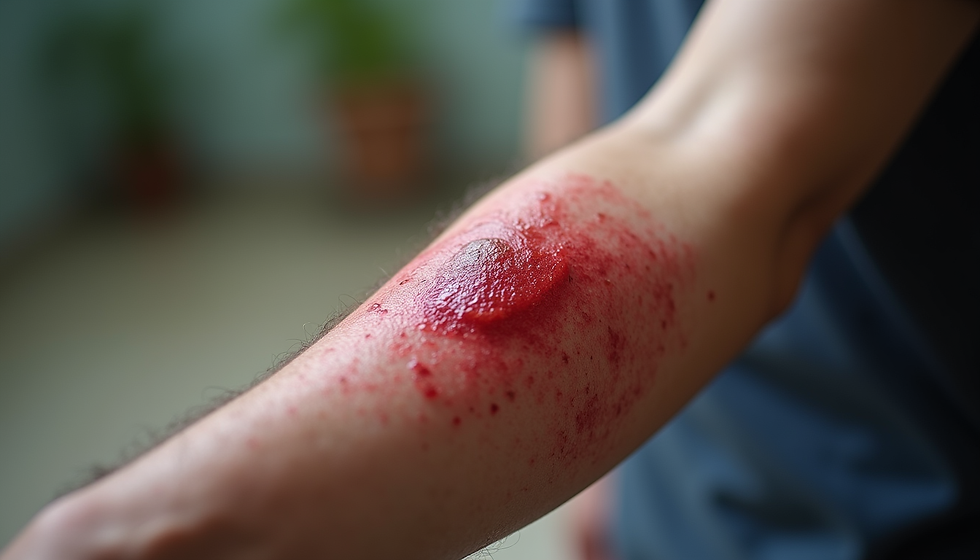
Second-degree burns, also called partial-thickness burns, damage both the outer layer (epidermis) and the underlying layer (dermis) of the skin. These burns are more serious and often cause blisters, intense redness, and swelling. The skin may appear wet or shiny due to fluid loss.
Symptoms of Second-Degree Burns
Blisters that may break open
Deep redness and swelling
Severe pain
Moist or weeping skin
Treatment and Recovery
Second-degree burns require more careful management to prevent infection and promote healing. Minor second-degree burns can heal within 2 to 3 weeks with proper wound care. This includes cleaning the area gently, applying antibiotic ointments, and covering with sterile dressings. Severe second-degree burns may need medical attention, including prescription medications or skin grafts.

Second-degree burns cause blisters and damage deeper skin layers, requiring careful treatment.
Third-Degree Burns
Third-degree burns, also known as full-thickness burns, are the most severe type. They destroy both the epidermis and dermis, often extending into deeper tissues such as fat, muscle, or bone. The skin may look white, charred, leathery, or blackened. Surprisingly, these burns may cause little pain initially because nerve endings are destroyed.
Symptoms of Third-Degree Burns
White, brown, or blackened skin
Dry and leathery texture
Lack of pain in the burned area
Possible swelling around the injury
Treatment and Recovery
Third-degree burns require immediate medical attention. They often need surgical intervention such as skin grafts or reconstructive surgery. Recovery is long and may involve physical therapy to restore function. Infection risk is high, so wound care and antibiotics are critical. These burns often leave permanent scars and may cause disability.
Factors Affecting Burn Severity
Several factors influence how severe a burn injury is and how it should be treated:
Burn size: Larger burns cover more body surface area and increase risk of complications.
Burn location: Burns on the face, hands, feet, or genitals need special care due to functional and cosmetic importance.
Cause of burn: Chemical, electrical, or radiation burns may cause deeper tissue damage than thermal burns.
Patient health: Age, immune status, and pre-existing conditions affect healing speed and risk of infection.
When to Seek Medical Help
Not all burns require emergency care, but certain signs mean you should see a doctor immediately:
Burns larger than 3 inches in diameter
Burns on the face, hands, feet, groin, or major joints
Deep burns with white or charred skin
Burns causing difficulty breathing or swelling of the airway
Signs of infection such as increased redness, pus, or fever
Preventing Burn Injuries
Preventing burns is the best way to avoid pain and complications. Some practical tips include:
Keep hot liquids and foods out of reach of children
Use sunscreen to protect skin from sunburn
Install smoke detectors and fire extinguishers at home
Avoid electrical hazards and use protective gear when handling chemicals
Test bath water temperature before use
Understanding the types of burn injuries and their severity helps you respond appropriately if an accident happens. Early and proper care can reduce pain, prevent infection, and improve recovery outcomes. If you or someone else suffers a burn, assess the injury carefully and seek medical help when needed.