
Types of Product Defects That Lead to Injury
When a product causes injury, understanding the type of defect involved is crucial. Not all defects are the same, and each type requires different evidence and legal approaches. Knowing the difference between design defects, manufacturing defects, and failure to warn can help victims and legal professionals build a strong case.

Design Defects
Design defects occur when a product is inherently unsafe due to its design, even if manufactured correctly. This means the product’s blueprint or plan contains flaws that make it dangerous for users. These defects affect every unit produced from that design.
For example, a lawn mower designed without a proper safety guard around the blades can cause serious injuries. Even if the mower is built exactly as intended, the lack of protection puts users at risk. Another example is a child’s toy with small detachable parts that pose choking hazards, despite being made perfectly.
Proving a design defect often involves showing that a safer alternative design was available and feasible. Experts may compare the product to similar items that do not cause harm. The focus is on the product’s concept rather than how it was made.
Manufacturing Defects
Manufacturing defects happen when a product departs from its intended design during production. These defects are usually limited to specific units rather than the entire product line. Even a well-designed product can become dangerous if errors occur during manufacturing.
An example is a batch of canned food contaminated due to improper sealing, leading to food poisoning. Another case could be a power tool with a faulty switch installed, causing unexpected electrical shocks. These defects are often the result of poor quality control or mistakes on the assembly line.
To prove a manufacturing defect, the injured party must show that the product did not meet the manufacturer’s own specifications or standards. Evidence might include inspection reports, expert testimony, or comparisons with other units of the same product.
Failure to Warn
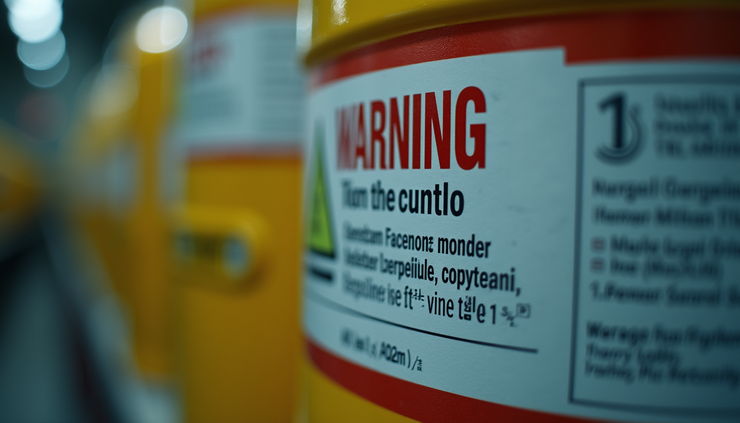
Failure to warn refers to situations where a product lacks adequate instructions or warnings about potential risks. Even a well-designed and properly manufactured product can cause injury if users are not informed about dangers or proper use.
For instance, a medication without clear dosage instructions can lead to overdose. A power tool without warnings about wearing safety goggles may result in eye injuries. Warning labels, manuals, and packaging play a key role in preventing accidents.
Proving failure to warn requires showing that the manufacturer knew or should have known about the risk and failed to provide sufficient warnings. This type of defect often involves reviewing the product’s labeling and instructions against industry standards.
Why Identifying the Defect Matters
Each defect type presents unique challenges in legal cases. Identifying whether the injury resulted from a design flaw, manufacturing error, or lack of warning helps determine liability and the evidence needed. For example:
Design defects require expert analysis of the product’s concept and alternatives.
Manufacturing defects focus on production records and quality control.
Failure to warn involves reviewing labels, instructions, and industry practices.
Understanding the defect type also guides victims on the best course of action and what to expect during legal proceedings.
Practical Tips for Consumers
Always read product instructions and warnings carefully.
Inspect products for visible damage or unusual features before use.
Report any injuries or defects to the manufacturer or retailer promptly.
Keep records such as receipts, photos, and medical reports if injury occurs.
Consult a legal professional experienced in product liability if harmed.
Knowing the types of product defects and how they cause injury empowers consumers to protect themselves and seek justice when needed.

