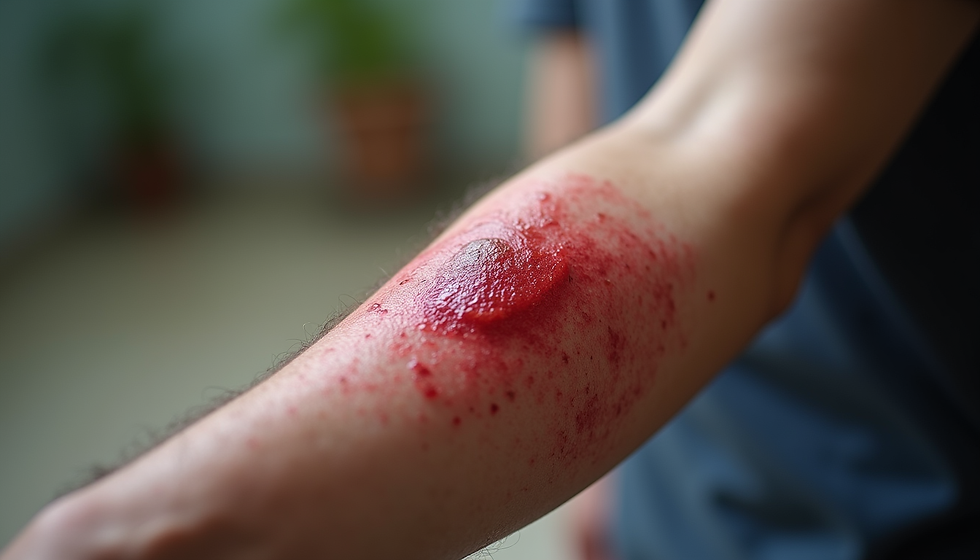
BURN INJURY
Burn injuries are among the most painful and damaging types of trauma a person can experience. They often happen suddenly and can lead to serious complications if not treated promptly. Understanding what causes burn injuries in accidents helps in preventing them and responding effectively when they occur.

Common Causes of Burn Injuries in Accidents
Burn injuries happen when the skin or other body tissues are damaged by heat, chemicals, electricity, or radiation. In accidents, several causes stand out:
Fires and Explosions
Fires can start in homes, vehicles, or workplaces due to faulty wiring, flammable materials, or accidents involving open flames. Explosions, often linked to gas leaks or industrial mishaps, cause intense heat and flames that can severely burn anyone nearby.
Electrical Accidents
Contact with live electrical wires or faulty equipment can cause electrical burns. These burns may not always look severe on the surface but can cause deep tissue damage.
Chemical Exposure
Certain chemicals, especially acids and alkalis, can cause burns when they come into contact with skin. These injuries are common in industrial accidents or when handling hazardous substances without proper protection.
Vehicle Accidents
Car crashes often involve fires or explosions, especially if fuel tanks rupture. Passengers and drivers can suffer burns from flames or hot surfaces inside the vehicle.
Workplace Incidents
Jobs involving heat, chemicals, or electricity carry a higher risk of burn injuries. Construction sites, factories, and laboratories are common places where accidents happen.
How Burn Injuries Develop in Different Situations
Burn injuries vary depending on the cause and severity of the accident. Here are some examples:
In a car accident, a collision might rupture the fuel tank, causing a fire. Passengers trapped inside can suffer burns from flames or hot metal parts.
In a factory, a worker might accidentally spill a corrosive chemical on their skin, causing a chemical burn that requires immediate washing and medical care.
An electrical burn can occur when someone touches a live wire or equipment without proper insulation. The current passes through the body, damaging tissues internally and externally.
A house fire often starts from cooking accidents or electrical faults. People caught in the fire may suffer burns from flames, hot smoke, or steam.
Severity and Types of Burn Injuries
Burn injuries are classified by depth and size:
First-degree burns affect only the outer layer of skin, causing redness and pain but usually healing without scarring.
Second-degree burns damage deeper skin layers, causing blisters and swelling. These burns are more painful and may leave scars.
Third-degree burns destroy all layers of the skin and underlying tissues. They often require surgery and skin grafts.
Fourth-degree burns extend beyond the skin to muscles and bones, often leading to permanent damage or loss of function.
The severity depends on the cause, duration of exposure, and the body area affected. For example, burns on the face or hands are more serious due to the risk of infection and functional impairment.
Immediate Steps to Take After a Burn Injury
Quick and correct action can reduce the damage caused by burns:
Remove the person from the source of the burn if it is safe to do so.
Cool the burn with running cool (not cold) water for 10 to 20 minutes to reduce pain and swelling.
Avoid using ice or very cold water as it can worsen tissue damage.
Cover the burn with a clean, non-stick cloth or bandage to protect it from infection.
Do not apply creams, oils, or home remedies before seeing a healthcare professional.
Seek emergency medical care for burns that are large, deep, or on sensitive areas like the face, hands, feet, or genitals.
Preventing Burn Injuries in Everyday Life and Work
Burn injuries can be prevented by following safety measures:
Install smoke detectors and fire extinguishers at home and workplaces.
Keep flammable materials away from heat sources.
Use protective gear like gloves and goggles when handling chemicals or electrical equipment.
Follow safety protocols in workplaces, especially in industries with fire or chemical risks.
Educate family members and employees about fire safety and first aid for burns.

When to Get Professional Help
Burn injuries can lead to complications such as infections, dehydration, and shock. It is crucial to get professional medical help when:
The burn covers a large area of the body.
The burn is deep or causes white, charred, or leathery skin.
The person has difficulty breathing or shows signs of smoke inhalation.
The burn involves the face, hands, feet, or genitals.
The injured person is a child, elderly, or has other health conditions.